
Art Supplies: Understanding the Basics
Embarking on the journey of art creation can be both exhilarating and daunting, especially when faced with the multitude of art supplies available on the market. Understanding the basics of these supplies is crucial for beginners, as it lays the foundation for future artistic endeavors. Whether you are drawn to the vivid colors of paints or the intricate details achievable with pencils, knowing what tools are essential can enhance your creative process significantly.
To start, consider the primary mediums: paints, pencils, and paper. Each offers a different texture and visual outcome. Paints can range from watercolors, which provide a translucent effect, to acrylics known for their vibrant hues and versatility. Pencils, on the other hand, offer precision and control, making them ideal for sketching and detailed work. Choosing the right paper is also pivotal, as it affects the final look and feel of your artwork. Thicker papers are suitable for paints, while smoother ones are best for pencil work.
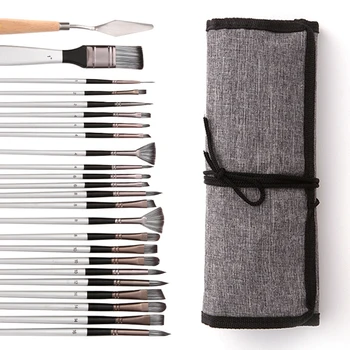
Equally important is understanding the accessories that accompany your primary tools. Brushes, for instance, come in various shapes and sizes, each designed to produce different strokes and effects. Palette knives can add texture, while erasers and sharpeners are indispensable for pencil artists.
By familiarizing yourself with these basic art supplies, you can begin to explore and unleash your creativity with confidence.
Exploring Different Types of Painting Supplies
Embarking on an artistic journey requires an understanding of the various painting supplies available, as each tool can significantly influence your creative process and outcomes. From brushes to paints, each element plays a vital role in how your artwork unfolds. Let’s delve into the essentials that every budding artist should consider.
Paints
Paints are the heart of any artwork, and choosing the right type is crucial. Acrylic paints are versatile and quick-drying, making them an excellent choice for beginners who wish to experiment with textures and layers. Oil paints, on the other hand, offer rich pigmentation and a longer drying time, allowing for more intricate blending and detail work. Watercolors, known for their translucent and fluid nature, are perfect for those who enjoy a more delicate approach. Each type of paint offers unique characteristics that can be leveraged to achieve different artistic effects.
Brushes
The right brush can make a world of difference in your painting technique. Brushes come in various shapes and sizes, such as flat, round, filbert, and fan, each serving a distinct purpose. Flat brushes are ideal for broad strokes and filling in large areas, while round brushes are perfect for detailed work and fine lines. Filbert brushes combine the qualities of both, offering versatility in application. Understanding the function of each brush type will help you enhance your overall painting experience.
Canvas and Paper
The surface you choose to paint on is as important as the paints and brushes. Canvases provide a sturdy and textured surface, suitable for both acrylic and oil paints, allowing for bold and expressive strokes. For watercolor artists, specialized watercolor paper is essential to prevent warping and ensure proper absorption of the paint. Selecting the right surface will not only affect the final appearance of your artwork but also your comfort and ease during the creative process.
As you begin your artistic adventure, equip yourself with the right tools to fully express your creativity.
Selecting the Right Drawing Tools for Beginners
Venturing into the world of art can be an exhilarating experience, especially when you have the right tools at your disposal. As a beginner, understanding which drawing tools to choose can significantly influence your creative journey. The market is brimming with options, but by focusing on a few essentials, you can set a solid foundation for your artistic endeavors.
Pencils: The Backbone of Drawing
Pencils are the most fundamental tool for any artist. They come in various grades, typically ranging from 9H (hard) to 9B (soft). Hard pencils are excellent for intricate details and light sketches, while soft pencils are favored for shading and creating darker lines. For beginners, a set that includes a variety of grades, such as 2H, HB, 2B, and 4B, can provide a versatile starting point.
Paper: Choosing the Right Surface
The type of paper you select can greatly impact your drawing experience. Sketchpads are easily accessible and come in different weights and textures. A smooth surface is ideal for detailed work, whereas a textured surface can add depth and dimension to your sketches. Consider trying different paper types to see which complements your style best.
Erasers: Precision and Correction
Erasers are not just for removing mistakes; they can be powerful tools for adding highlights and refining your work. Kneaded erasers are particularly popular among artists as they can be shaped to create precise highlights and are gentle on paper. A vinyl eraser, on the other hand, is effective for cleanly erasing larger areas.
Embarking on this creative journey with the right tools will not only enhance your skills but also boost your confidence as an artist.
Essential Crafting Materials for Creative Projects
Embarking on a creative journey requires the right tools to bring your visions to life. Whether you’re a beginner or seasoned artist, understanding the essential crafting materials is crucial for any art project. These materials form the backbone of your artistic endeavors and provide the foundation upon which creativity can flourish.
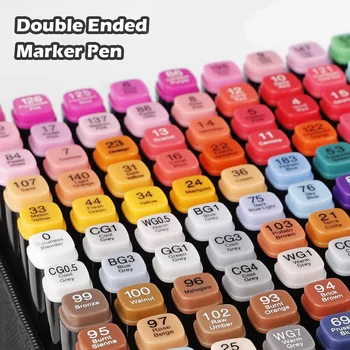
First and foremost, a reliable set of art supplies is indispensable. This includes an array of paints, such as acrylics, watercolors, and oils, each offering unique properties and effects. Acrylics are versatile, quick-drying, and ideal for beginners, while watercolors provide a translucent quality perfect for light, ethereal effects. Oils, on the other hand, are renowned for their rich texture and blendability.
Next, consider quality brushes in various shapes and sizes. Each brush serves a different purpose, from broad strokes achieved with larger brushes to fine, detailed lines with smaller ones. Investing in high-quality brushes can significantly impact the outcome of your work.
Don’t overlook the importance of a good canvas or paper. The type of surface you choose can influence the texture and appearance of your artwork. For painting, canvases offer durability and a professional finish, whereas specialized papers are preferable for sketching and watercolor projects.
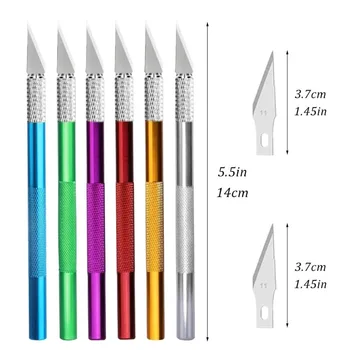
Lastly, essential craft tools like scissors, cutting mats, and glue guns are vital for crafting projects. These tools allow for precision and creativity in a variety of tasks, from scrapbooking to mixed media art.
Equipped with these fundamental materials, your creative potential is limitless.
Tips for Organizing Your Art Supplies Effectively
Embarking on a creative journey can be an exhilarating experience, but it can quickly become overwhelming if your art supplies are scattered and disorganized. An effective organization system can not only save time but also inspire creativity by keeping your workspace clutter-free and your materials easily accessible. Here are some practical tips to help you organize your art supplies efficiently:
Categorize by Type
Start by sorting your supplies into categories such as paints, brushes, papers, and sketching tools. This makes it easier to find what you need and keeps similar items together. Consider using clear containers or labeled boxes for each category to maintain visibility and order.
Utilize Vertical Space
Maximize your workspace by making use of vertical storage solutions. Shelving units, pegboards, and wall-mounted racks can help free up desk space and keep your tools within arm’s reach. This setup not only organizes your supplies but also transforms your space into a creative haven.
Keep Frequently Used Items Handy
Identify the supplies you use most often and keep them within easy reach. A small desktop organizer or a rolling cart can be perfect for this purpose, allowing for mobility and flexibility as you work.
Regularly Declutter
Periodically go through your supplies to remove items you no longer use. This helps to avoid clutter and ensures that your creative space remains inspiring and efficient. Donate unused materials to local schools or community centers to give them a second life.
By implementing these strategies, you can create an organized and inspiring space that fuels your creativity. Ready to stock up on essentials? Explore our product collection for a range of art supplies to enhance your artistic journey.




0 Comments